
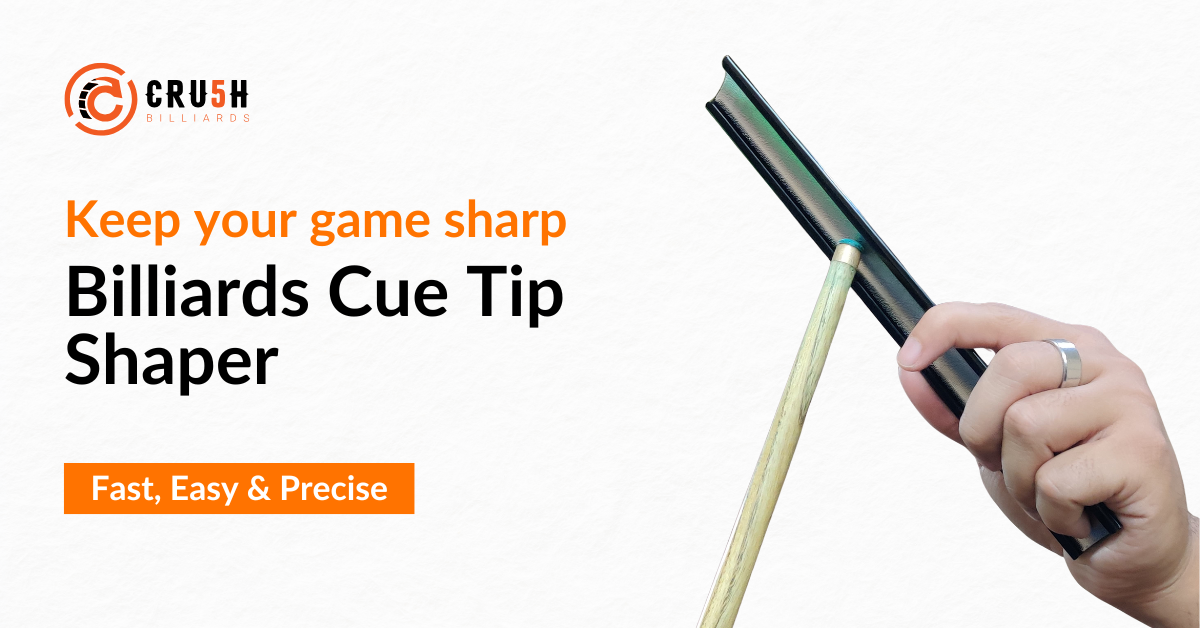
Every missed shot starts somewhere. Most of the time, it starts at the pool cue tip. If that small piece of leather on the end of your cue is flat, worn, or shaped wrong, you will lose grip on the ball, send chalk flying instead of sticking, and watch good shots go bad. The good news is that a pool cue tip shaper fixes this in less than a minute. It is one of the cheapest, most effective tools any pool player can own.
A quality cue tip shaper restores the dome shape of your tip so it grips chalk evenly and contacts the ball correctly on every stroke. Whether you are a beginner shooting your first rack or a competitive league player running the table, this tool belongs in your cue case. In this guide, you will learn exactly what a pool cue tip shaper does, how to use one the right way, which type is worth buying, and what mistakes to avoid. You will also find a look at the Cru5h Stainless Steel Pool Cue Tip Shaper, one of the best options on the market today.
If you are tired of chalking up only to miss again, this guide is for you. Keep reading and you will know exactly what to do after you finish.
A pool cue tip shaper is a small hand tool that restores the rounded shape of the leather tip on the front of your cue. The tip is the only part of your cue that ever touches the cue ball. Over time and repeated shots, that leather tip naturally flattens and spreads out. When it flattens, it loses the curved dome shape that makes it work properly. A tip shaper removes just enough material to bring that dome back.
Think of it like maintaining a pencil. You would not try to write with a pencil that has been worn down to a flat, dull nub. You sharpen it. A cue tip shaper does the same job for your cue. It brings back the precise curve that lets you apply chalk correctly, strike the ball cleanly, and control where the ball goes after contact. Without that shape, your shots become unpredictable no matter how good your technique is.
For example, imagine you are lining up a draw shot hitting below center on the cue ball to bring it back toward you. If your tip is flat, it cannot grip the ball in that exact spot reliably. It slips. The shot fails. But if your tip has a proper dome, it bites into that low contact point and the ball responds exactly the way you intended. That is what a pool cue tip shaper makes possible.
The importance of a pool cue tip shaper comes down to one fact: your cue tip controls your entire game. A properly shaped tip holds chalk more evenly. When chalk stays on the tip, it grips the ball on contact instead of sliding off. That grip is what lets you apply spin, control speed, and place the cue ball exactly where you need it after a shot. Without the right shape, chalk sits unevenly and you get miscues those frustrating moments where the cue glances off the ball instead of driving it.
Beyond chalk retention, proper pool cue tip shape protects your equipment too. A tip that has flattened and started to mushroom where the edges spread beyond the ferrule can catch the ferrule on each stroke. Over time, that damages the ferrule, which is the white ring at the front of your cue that the tip sits on. Fixing a damaged ferrule is far more expensive than maintaining your tip with a simple shaper. The best pool cue chalk in the world still will not stick reliably to a badly shaped tip, so keeping the tip in good condition directly amplifies every other piece of equipment you invest in.
Consistent tip maintenance also helps your mental game. When you trust your equipment, you stop doubting your shots and start focusing on your position play and strategy. Knowing that your tip is shaped correctly and holding chalk removes one more variable from the game. For any player who wants to improve, that reliability is priceless.
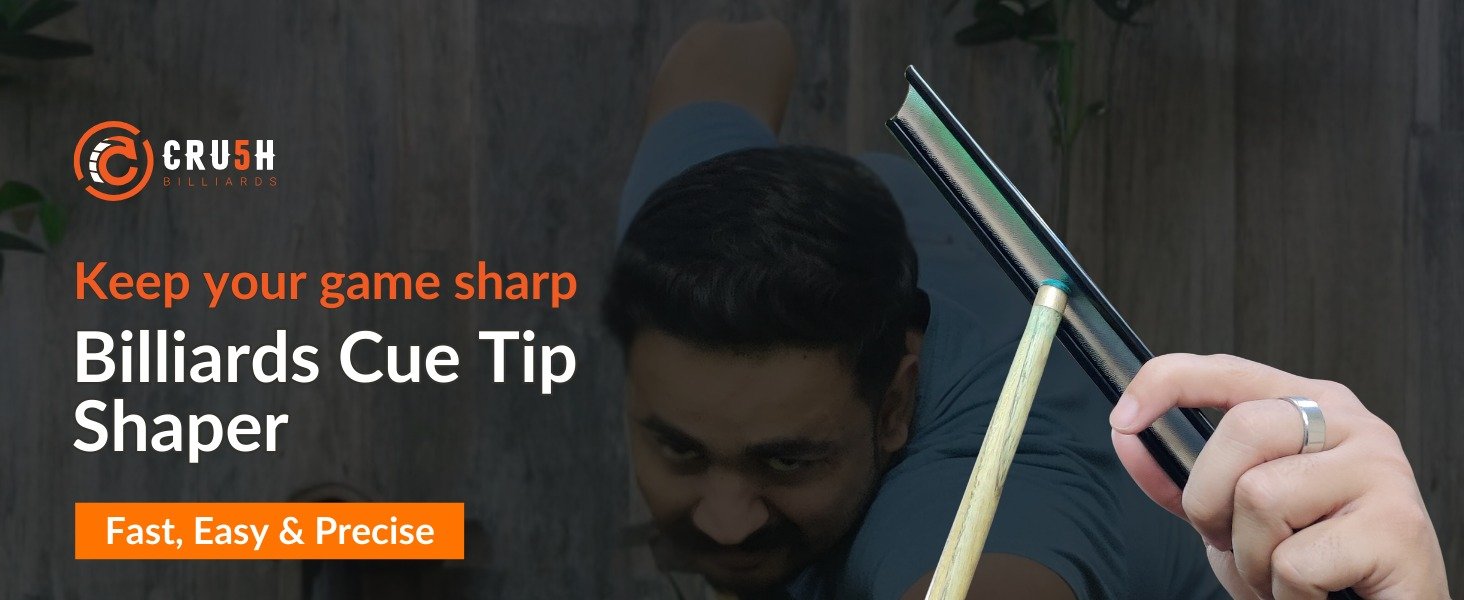
The Cru5h Stainless Steel Pool Cue Tip Shaper stands out from the crowd of plastic and sandpaper tools for several clear reasons. First, the construction matters. This shaper is made entirely from stainless steel, which means the shaping edge holds its precision curve indefinitely. Plastic tools warp under pressure over weeks or months. The Cru5h does not. You buy it once and it performs the same on day one as it does after five years of regular use.
Second, the Cru5h is gentle enough for premium layered tips. If you play with high-end tips like Kamui or Predator, you know they are an investment replacement tips can cost fifteen to thirty dollars each. Cheap plastic tools and coarse sandpaper pads can tear the bonded layers of these tips apart. The Cru5h uses a controlled rotational motion that shapes the leather surface without stressing the layers underneath. That means you protect your tip investment every time you use it.
Third, the Cru5h improves chalk retention directly. By creating a properly textured dome surface on the leather, it gives chalk a natural surface to grip. After shaping, chalk goes on more evenly and stays on longer. This directly reduces miscues and gives you better spin on every shot. Learning how chalk and tip shape work together is easier when you read the why pool cues need chalk guide on this site.
Fourth, the compact size makes it practical. The Cru5h fits in the accessory pocket of any cue case without adding noticeable weight or bulk. You can keep it with you every time you play and use it in the two minutes before a session without slowing anyone down. That combination of durability, safety for premium tips, improved chalk grip, and portability makes the Cru5h one of the best pool cue tip shapers currently available.
Using a pool cue tip shaper is straightforward, but doing it correctly matters. The goal is to restore the dome curvature without removing more leather than necessary. Follow these steps every time and your tip will stay in peak condition for as long as possible.
Hold your cue at eye level and look at the tip from the side. A healthy tip has a smooth, rounded dome. If the tip looks flat or if the edges are spreading out beyond the ferrule a condition called mushrooming it needs attention. You should also run your finger gently across the surface. A tip that feels hard and glassy cannot hold chalk well even after shaping. That tip needs replacing, not shaping. But if the leather still feels like soft, textured leather and is just losing its curve, a shaper is all you need.
Hold your cue stable with one hand. With the other hand, place the Cru5h shaper flat against the tip surface. You do not need to push down hard. Light, steady contact is all the tool requires. The stainless steel shaping surface does the work. Forcing it down harder does not speed up the process it just removes more leather than you want.
With light pressure applied, rotate the shaper in a smooth circular motion. Think of the way you would wipe a smudge off a lens slow, even, and controlled. After about six to eight full rotations, lift the shaper and look at the tip again. You are aiming for a curve that matches the rounded edge of a nickel or a dime. A nickel radius works well for most standard pool tips twelve millimeters and above. A dime radius is slightly more rounded and suits smaller tips or players who use a lot of english and spin.
Shaping alone smooths the tip but does not roughen it enough for chalk to stick well. After shaping, use the scuffing surface on a combo tool to lightly rough up the leather. This is called scuffing or aerating. The tiny surface texture created by scuffing acts like grip tape for chalk. If you are using a dedicated pool cue tip scuffer separate from your shaper, run it across the tip surface six to eight times with light strokes.
Once shaped and scuffed, chalk the tip immediately. The freshly prepared surface will accept chalk far better than a tip that sat unused for a session. Use slow, steady circular strokes rather than grinding back and forth, which can wear down your chalk faster than needed. A properly chalked tip on a well-shaped surface means you are ready for accurate, confident shots.
Not every cue tip shaper is built the same way. Understanding the differences helps you choose the right tool for how you play and how often you practice.
A stainless steel shaper like the Cru5h is the most durable option available. The shaping edge is machined into solid metal, so it never wears down, never warps, and delivers the same precise curve every single time you use it. This is the right choice for any player who picks up a cue more than a few times a month. The higher upfront cost typically fifteen to thirty dollars pays for itself quickly when you compare it to replacing plastic tools every few months.
The plastic 3-in-1 combo tool is the most common option sold at sporting goods stores. It combines a shaper, scuffer, and tip pick in a single pocket-sized body. These tools work well enough for casual players who shoot once or twice a month. The main limitation is that the plastic body flexes under pressure, which means the shaping surface bends slightly as you use it. That flex produces an uneven dome rather than a precise nickel or dime curve. For beginners just getting started, a plastic combo tool is a fine entry point.
Sandpaper shapers are the cheapest option, often sold in multi-packs for just a few dollars. They use adhesive-backed sandpaper wrapped around a curved form to grind the tip into shape. The problem is that sandpaper wears down fast. After a handful of uses, the grit is gone and the tool stops shaping effectively. Sandpaper tools are also too aggressive for layered premium tips the coarse grit tears the surface rather than smoothing it. These are truly single-use items and not worth building a maintenance habit around.
Some shapers come labeled specifically as nickel-radius or dime-radius tools. The cue stick tip shape you choose affects how the tip contacts the ball. A nickel-radius shape has a flatter dome with a roughly .415-inch curve. It works well for standard play on most pool tables with tips twelve millimeters and above. A dime-radius shape has a tighter, more rounded dome at about .354 inches. Competitive players and those who rely heavily on english and off-center hits often prefer the dime radius because it gives a more precise contact point. The Cru5h is designed to let players guide the shaping process to achieve either curve by adjusting their angle and pressure.
Use this table to compare the most common types of cue tip shapers side by side. Choosing the right tool depends on how often you play, the type of tips you use, and how much precision matters to your game.
| Feature | Cru5h Stainless Steel | Plastic 3-in-1 | Aluminum Combo | Sandpaper Tool |
|---|---|---|---|---|
| Build material | Solid stainless steel | ABS plastic | Aluminum alloy | Paper + cardboard |
| Durability | Permanent — years of use | Months before warping | 1–2 years | Single use — disposable |
| Shaping accuracy | High — consistent dome | Variable — flexes | Good | Low — rough only |
| Safe for layered tips | Yes — gentle action | Risky — can delaminate | Yes | No — too coarse |
| Includes scuffer | Use separately | Yes — built-in | Often yes | Surface acts as scuffer |
| Best for | Regular & serious players | Beginners | Recreational players | One-time emergency use |
| Price range | $15 – $30 | $5 – $12 | $10 – $18 | $2 – $6 |
The price of a pool cue tip shaper ranges from a couple of dollars for basic sandpaper tools to around thirty dollars for high-quality stainless steel options. The table below breaks down what you can expect at each price point so you can make the right call for your budget and playing level.
| Shaper Type | Price Range | What You Actually Get |
|---|---|---|
| Sandpaper shaper | $2 – $6 | Disposable. Wears out after a few sessions. Fine if you just need something once. |
| Plastic 3-in-1 combo | $5 – $12 | Shaper + scuffer + tip pick. Good for casual players. Plastic body reduces precision over time. |
| Aluminum combo tool | $10 – $18 | Sturdier than plastic. Reliable for 1–2 years. Good mid-level choice. |
| Cru5h Stainless Steel Shaper | $19.99 | Permanent precision. Safe for layered tips. Best long-term value for regular players. |
At $19.99, the Cru5h Stainless Steel Pool Cue Tip Shaper sits at a price point that undercuts most premium aluminum tools while delivering better performance and longer life. When you consider that replacing cheap plastic shapers every few months can add up to the same cost within a year, the stainless steel option clearly wins on value.
The most common mistake players make is shaping their tip too often and too aggressively. Every time you use a cue tip shaper, you remove a small amount of leather from the tip surface. Do that every day and you shorten the life of your tip dramatically. Shape only when the dome has visibly flattened or when you notice chalk is not sticking evenly. For most players, that means shaping every two to four sessions, not every time you play.
Another frequent error is using the wrong radius for the tip size. A nickel-radius shaper produces a flatter dome suited for wider tips typically twelve and a half millimeters and above. Using that same shaper on a smaller twelve-millimeter tip produces a dome that is too flat for the diameter, which limits your ability to hit off-center. Match the shaper radius to your tip size for the best results.
Many players also forget the scuffing step entirely. Shaping creates the correct curve, but it can leave the surface of the leather slightly too smooth. Chalk does not stick well to a smooth leather surface it needs a little texture to grip. Always follow shaping with a light scuff using a pool cue tip scuffer to give the chalk something to hold onto. Skipping this step cuts the benefit of shaping in half.
Finally, ignoring mushrooming until it becomes severe is a mistake that costs players money. When the edges of your tip spread beyond the ferrule and you keep playing without fixing it, those overhanging edges catch on the ferrule during shots and gradually damage it. A damaged ferrule means a cue repair, which can cost many times the price of a tip shaper. Catch mushrooming early, trim the edges, and save yourself the hassle.
Getting the most out of your cue tip shaper starts with making it a habit rather than a last-minute fix. Keep your shaper in your cue case at all times so it is always available. Take thirty seconds before each session to check the tip visually and give it a light shape if needed. Players who build this into their pre-game routine rarely deal with flat tips during a match.
When you do shape, use lighter pressure than you think you need. The stainless steel on the Cru5h is already doing the work. Pressing harder does not give you a better shape it just removes more leather faster. Think of it as a finishing pass, not a grinding session. The goal is to restore the dome, not rebuild the entire tip from scratch.
It also helps to check your tip shape after heavy sessions rather than only before playing. If you spent two hours practicing banks and kick shots both of which put extra contact stress on the tip the shape may have taken more wear than a normal session. A quick check and a thirty-second shaping session after practice protects the tip and means you never start your next game with a degraded surface.
Finally, know when to replace instead of shape. A tip that has been shaped down to a very thin layer, that has cracked across the surface, or that feels hard and glassy even after scuffing has reached the end of its life. No amount of shaping brings a glazed tip back. When that happens, visit the Beer City Billiards shop for replacement tips and accessories so you are always playing with equipment that is working for you, not against you.
A pool cue tip shaper removes small amounts of leather from the surface of your cue tip to restore its rounded dome shape. Over time, a tip flattens from repeated contact with the cue ball. Reshaping it brings back the curve that lets chalk stick evenly and lets you strike the ball with precision and spin control. Without that shape, even good technique produces unpredictable results.
For most recreational players, shaping every two to four sessions is the right pace. Competitive players who practice daily may check and lightly shape before every serious session. The key is to shape only when the dome has visibly flattened not on a fixed schedule. Over-shaping shortens tip life by removing more leather than necessary.
A cue tip shaper changes the physical curve of the tip it restores the dome. A pool cue tip scuffer roughens the surface texture of the leather without changing its shape. Both are important. Shape first to restore the dome, then scuff to create texture for chalk to grip. Many combo tools combine both functions, but using dedicated tools for each step often gives better results.
Yes. The Cru5h is specifically safe for layered tips like Kamui, Predator, and Moori because it uses gentle rotational pressure rather than aggressive abrasion. Cheap plastic tools and coarse sandpaper pads can separate the adhesive layers in premium tips. The Cru5h shapes the leather surface without putting stress on the bonding between layers, so your investment in a high-end tip stays protected.
Both shapes work well the right choice depends on your style and tip size. A nickel radius is slightly flatter at about .415 inches and works best for tips twelve and a half millimeters and above. It suits straight shooters and players who prioritize center-ball accuracy. A dime radius is more rounded at about .354 inches and works better for smaller tips and players who rely heavily on spin and off-center English. Most beginners start with nickel and adjust as they develop their game.
For anyone who plays regularly, yes. Plastic shapers warp over weeks of use and deliver an uneven dome. You end up replacing them every few months and still never get a truly consistent shape. A stainless steel option like the Cru5h at $19.99 costs about the same as buying three or four plastic tools over the same period and outperforms every one of them. For tip sizes under thirty dollars, a metal shaper makes clear financial sense.
Directly and significantly. A properly domed tip has a curved surface that holds chalk across its full contact area. A flat tip only holds chalk toward the edges and center, leaving gaps that cause the cue to slip off the ball on off-center hits. After shaping, always apply chalk right away to the freshly prepared surface. For a deeper look at how chalk works, the why pool cues need chalk guide on this site explains the full picture.
Your pool cue tip shaper is the simplest, most overlooked performance upgrade in billiards. It costs less than a pizza, takes thirty seconds to use, and directly improves your chalk retention, cue ball control, and shot accuracy on every single rack. The players who maintain their tip regularly play with confidence. The players who ignore it fight their equipment all night.
The Cru5h Stainless Steel Pool Cue Tip Shaper gives you a precision tool built to last as long as you play the game. It works on all tip types, fits in any cue case, and delivers a consistent nickel or dime dome every time. At $19.99 it is the best value at any skill level. Whether you are just learning how to shape a pool cue tip for the first time or you are a league player dialing in your equipment, this tool belongs in your kit.
Ready to stop leaving shots on the table? Grab the Cru5h Stainless Steel Pool Cue Tip Shaper at Beer City Billiards and browse the full lineup of billiards accessories to complete your cue care setup. Michigan’s dedicated billiards shop has everything you need from chalk and gloves to table repair services all in one place.